Top AI Trends Revolutionizing Task Automation


Introduction to AI in Task Automation
The rapidly evolving field of artificial intelligence (AI) is transforming how businesses approach task automation. By leveraging AI technologies, companies can streamline operations, enhance productivity, and reduce human error. This post explores the top AI trends that are revolutionizing task automation, offering insights into the future of work.

Natural Language Processing (NLP)
Natural Language Processing is at the forefront of AI-driven task automation. NLP allows computers to understand, interpret, and respond to human language in a valuable way. This technology is pivotal in automating customer service through chatbots and virtual assistants, enabling instant responses to customer inquiries and improving user experience.
Beyond customer service, NLP is being integrated into document processing, enabling automated data extraction from unstructured text. This application significantly reduces the time spent on manual data entry and analysis, allowing employees to focus on strategic tasks.
Robotic Process Automation (RPA)
Robotic Process Automation is another key trend in AI task automation. RPA uses software robots to perform repetitive and mundane tasks traditionally handled by humans. These bots can navigate systems and applications to process transactions, manipulate data, and communicate with other systems.
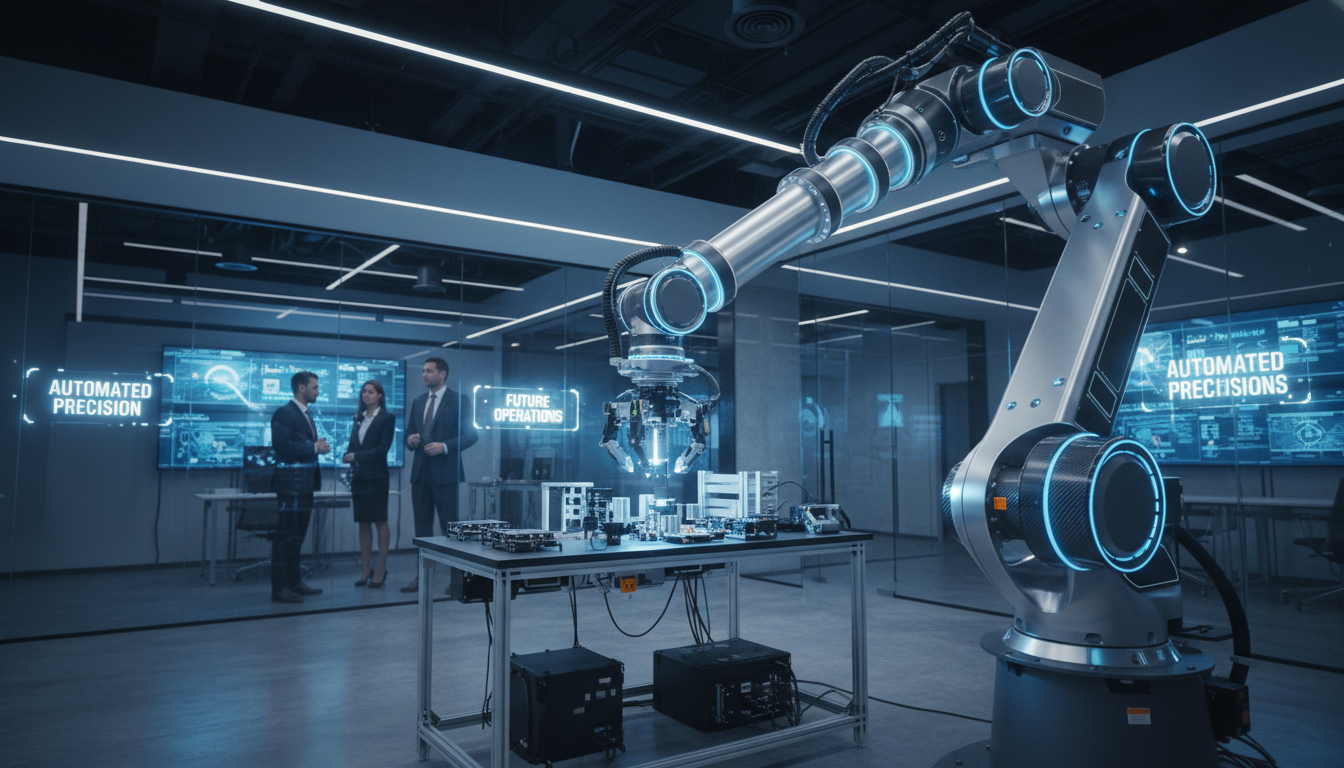
The integration of AI with RPA, known as Intelligent Automation, enhances RPA capabilities by introducing cognitive functions such as decision-making and learning. This blend allows businesses to automate more complex processes, further increasing efficiency.
Machine Learning and Predictive Analytics
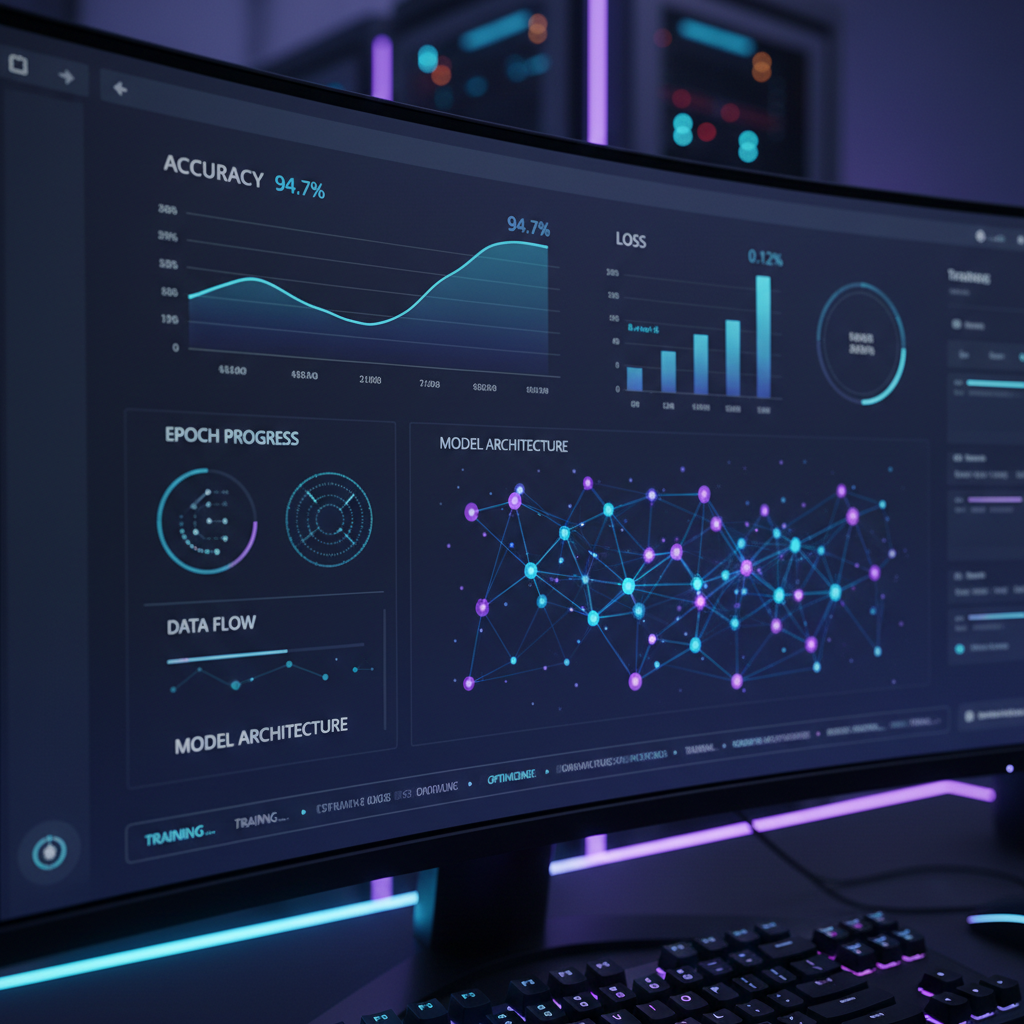
Machine Learning (ML) is empowering companies to automate tasks by learning from data patterns and making predictions. Businesses utilize ML algorithms to anticipate customer needs, optimize supply chains, and personalize marketing efforts. Predictive analytics, powered by ML, helps in forecasting trends and making data-driven decisions.
For instance, in the finance sector, ML algorithms can automate fraud detection by analyzing transaction patterns and identifying anomalies. This proactive approach not only enhances security but also reduces the workload on human analysts.
Computer Vision
Computer Vision is a fascinating AI trend that enables machines to interpret and make decisions based on visual data. This technology is being utilized in various industries, from manufacturing for quality control to healthcare for diagnostic imaging.
Automating tasks like defect detection in production lines or analyzing medical images allows for faster and more accurate outcomes, showcasing AI's potential to improve efficiency and quality in critical fields.
The Future of AI in Task Automation
As AI technologies continue to advance, their role in task automation will only grow. The integration of AI across business functions not only automates routine tasks but also augments human capabilities, enabling more innovative and strategic initiatives.
The ongoing development in AI promises a future where businesses can enjoy unprecedented levels of efficiency and innovation. By staying abreast of these trends, companies can harness AI's full potential and lead the charge in a rapidly evolving digital landscape.